
Ammonia refrigeration compliance — in depth
Technical articles on OSHA PSM, EPA RMP, IIAR standards, ammonia inventory monitoring, AI in refrigeration control systems, and refrigeration safety. Written by practitioners, for practitioners.
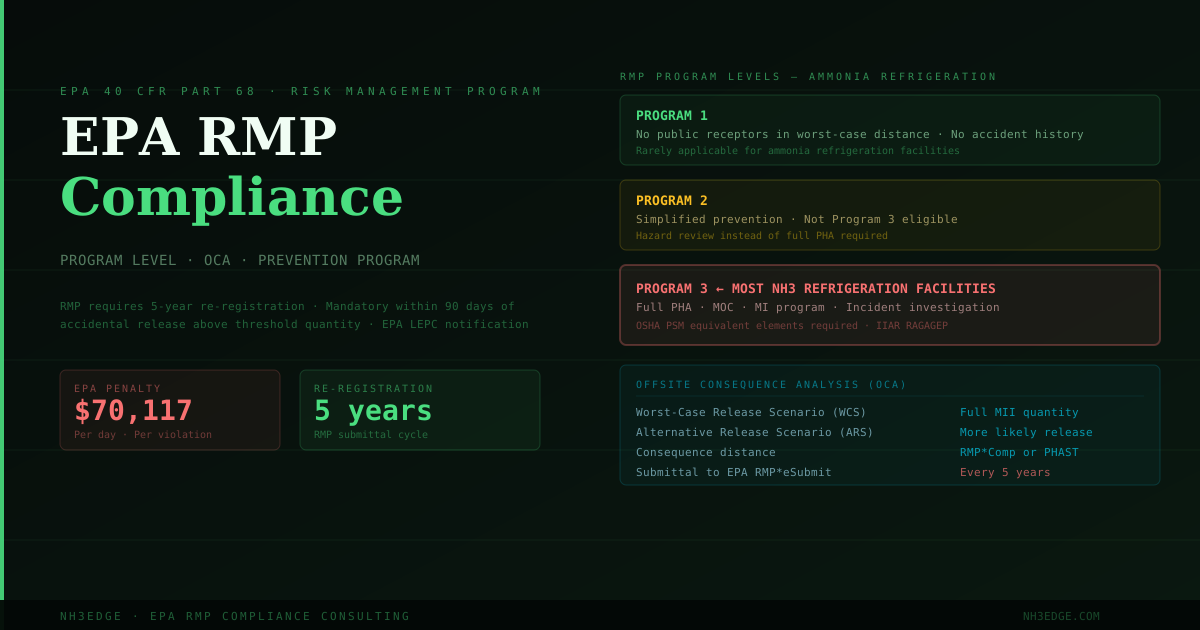
EPA RMP Amendments: What Ammonia Facilities Need to Know
The 2024 EPA RMP amendments under the Safer Communities by Chemical Accident Prevention rule are the most significant changes to 40 CFR Part 68 in over a decade. For ammonia refrigeration facilities with Program 3 processes, several new requirements are already in effect and more are coming.
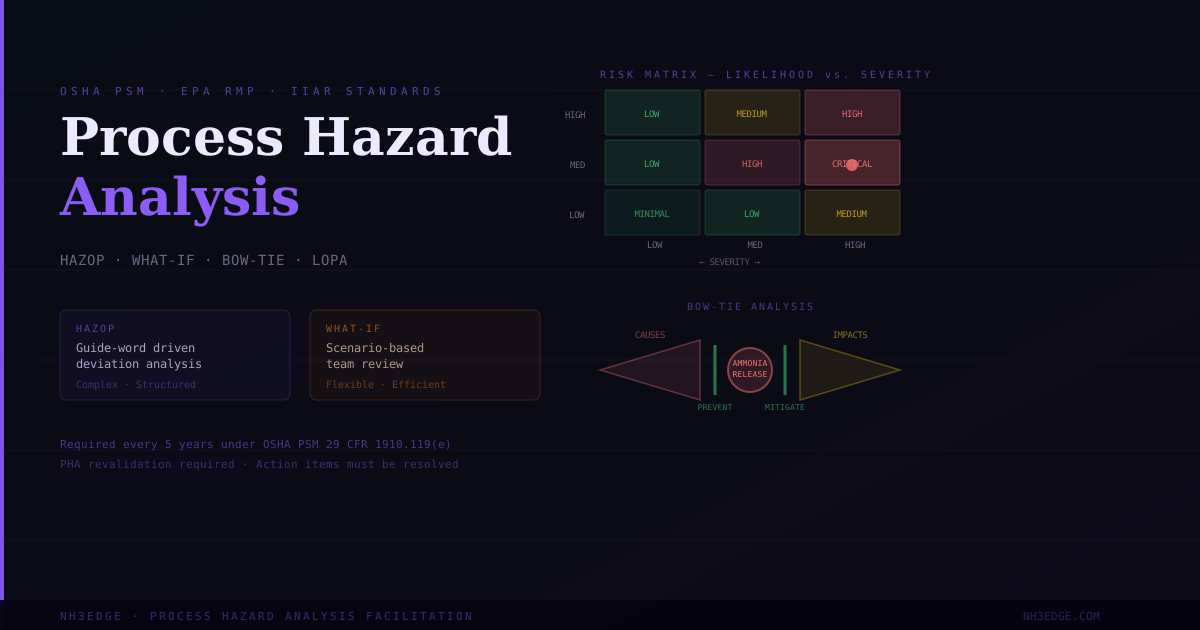
Process Hazard Analysis for Ammonia Systems: HAZOP vs. What-If Methodology
The PHA is the intellectual core of your PSM program — the systematic effort to identify what could go wrong before it does. Choosing between HAZOP and What-If methodology, scoping the analysis correctly, and documenting findings to OSHA's expectations are all decisions that determine whether the PHA delivers real safety value.
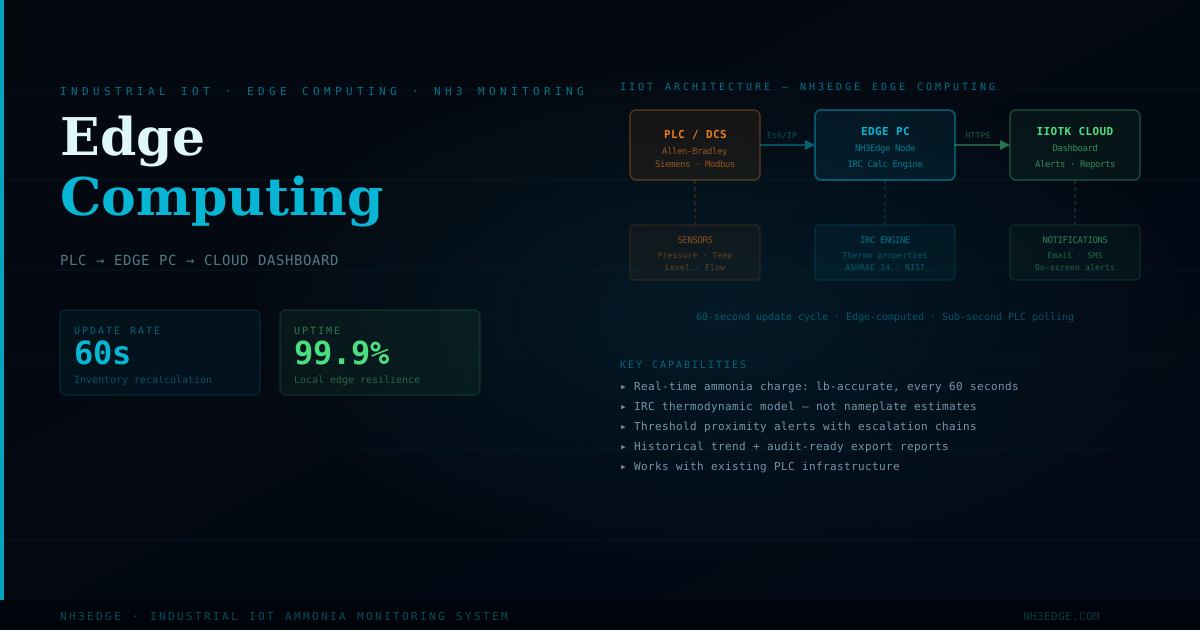
Real-Time Ammonia Monitoring: How Edge Computing Changes Compliance
Traditional SCADA requires expensive on-site servers and dedicated IT support. Cloud-only IoT lacks the reliability industrial safety applications demand. Edge computing resolves this trade-off — and it's reshaping what continuous compliance monitoring looks like for ammonia refrigeration facilities.
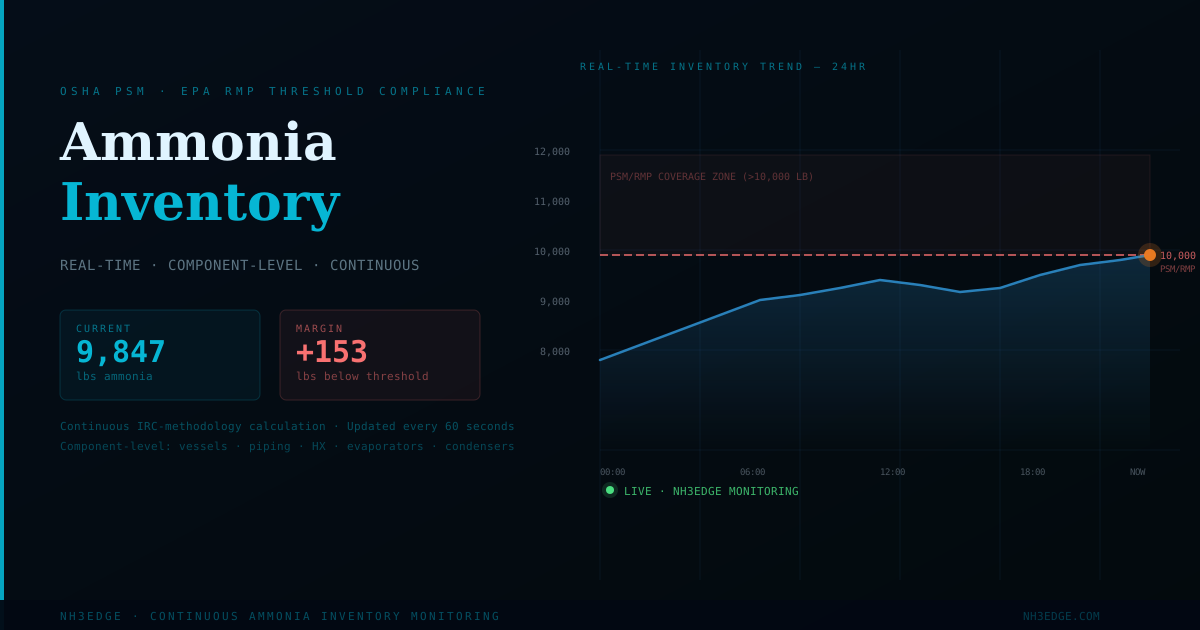
Ammonia Charge Calculation Methods: Component-Level Methodology Explained
Knowing exactly how much ammonia is in your system — at any given moment, in any given vessel — is both a regulatory requirement and a practical safety tool. A component-level thermodynamic calculation provides the engineering framework. Continuous monitoring automates what used to be a periodic manual calculation.
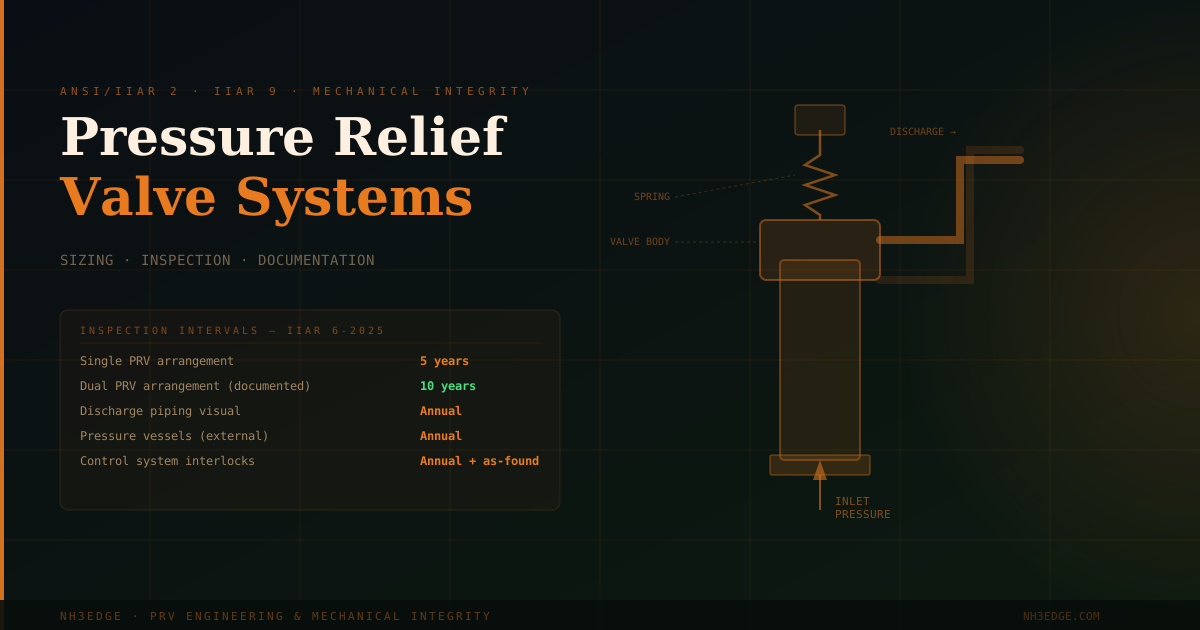
Building a Mechanical Integrity Program for Ammonia Refrigeration: IIAR Bulletin 110 in Practice
OSHA PSM Element 8 requires a documented mechanical integrity program — and for ammonia refrigeration systems, IIAR Bulletin 110 defines what 'good' looks like. Here's how to build a program that satisfies the standard and actually protects equipment.
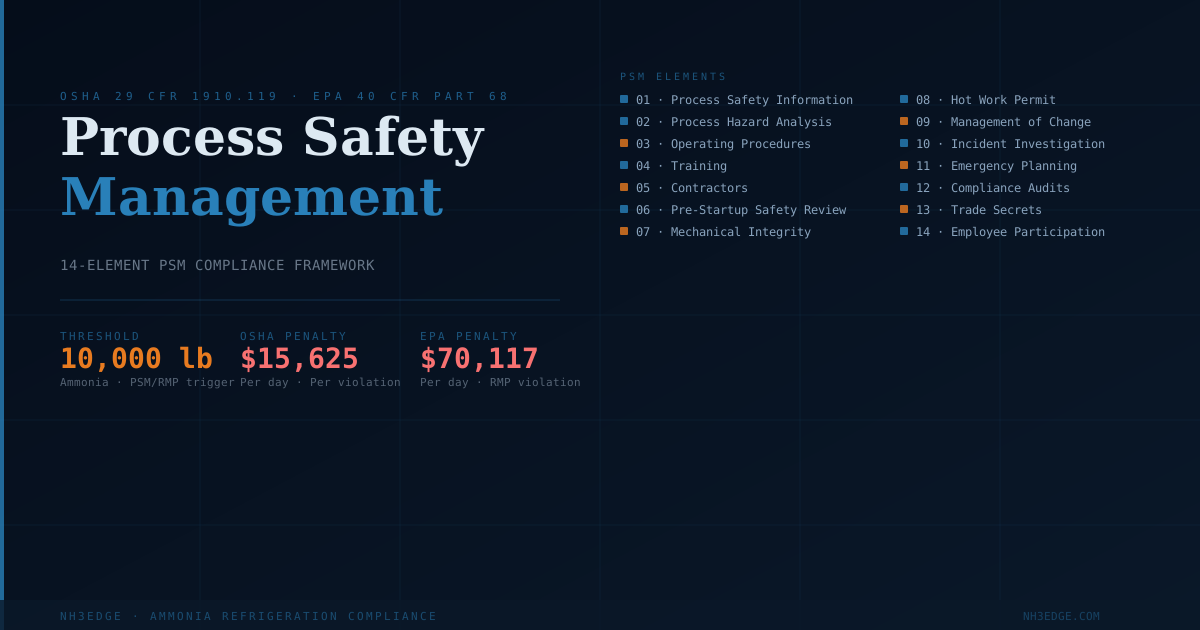
What Happens During an OSHA PSM Audit? How to Prepare Your Ammonia Facility
OSHA PSM inspections at ammonia refrigeration facilities follow a predictable pattern — inspectors know exactly what they're looking for and where programs break down. Understanding that pattern is the foundation of effective preparation.
Pressure Relief Valve Sizing for Ammonia Systems: IIAR 2 and IIAR 9 Requirements
Proper PRV sizing is one of the most consequential engineering decisions in an ammonia refrigeration system — and one of the most commonly deficient during compliance audits. Here's how IIAR 2 and IIAR 9 define the methodology and what auditors actually check.
The 14 Elements of OSHA PSM: A Practical Guide for Ammonia Refrigeration Facilities
OSHA's Process Safety Management standard requires a 14-element program for facilities above the 10,000-pound ammonia threshold. Here's what each element actually requires — and what OSHA looks for when they audit ammonia facilities.
Static vs. Dynamic Ammonia Inventory: Why Your Paper Number Might Be Wrong
Most facilities calculate their ammonia inventory once and file the number. But refrigerant charge is not static — it migrates continuously between vessels as operating conditions change. Here's what that means for your compliance position.
Understanding the 10,000-Pound Threshold: When PSM and RMP Apply to Your Ammonia System
The 10,000-pound ammonia threshold triggers two of the most consequential regulatory programs in industrial safety. Here's what it means, how it's determined, and why so many facilities don't know where they actually stand.
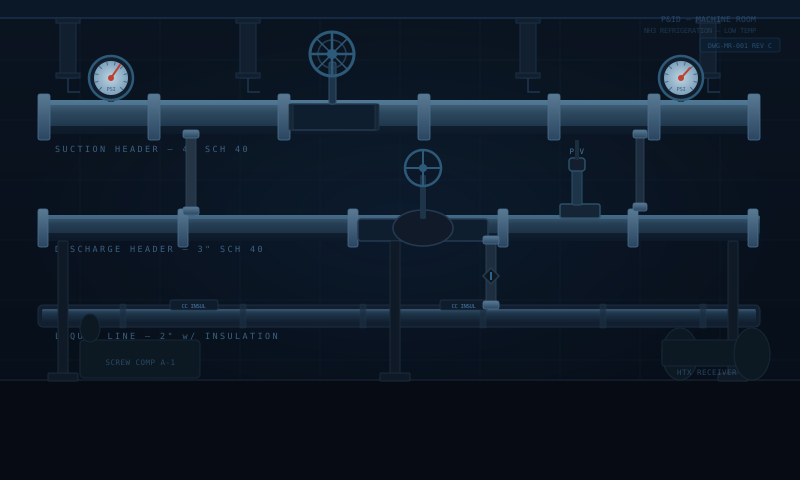
IIAR 6-2025: What's New in the Updated Inspection, Testing & Maintenance Standard
IIAR 6-2025 brings meaningful updates to inspection intervals, documentation requirements, and mechanical integrity scope for ammonia refrigeration systems. Here's what your facility needs to know before the next audit cycle.
Reading up because compliance is on your plate?
The engineers who write these articles do this work for facilities like yours — PSM programs, compliance audits, RMP filings, and inventory determinations.